

Building an effective telemedicine platform for clinics requires careful planning, compliance, and user-centric design for successful adoption.
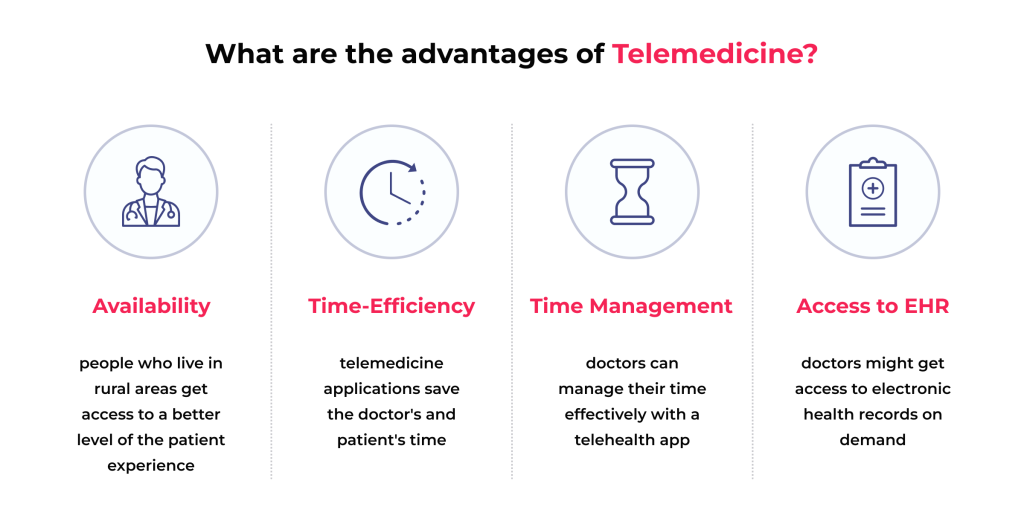
The healthcare landscape has profoundly shifted, driven by technological advancements and patient expectations for convenient access. For clinics, establishing a reliable virtual care system is no longer optional but a strategic imperative. This involves more than just video calls; it demands a thoughtfully designed digital ecosystem that integrates seamlessly into existing workflows. Effective Telemedicine platform development for clinics requires careful planning and execution.
Overview:
- Strategic Planning is Paramount: Defining clear objectives, target users, and workflow integration is the foundational step before any code is written.
- Technology Selection Matters: Choosing scalable, secure, and user-friendly technologies is crucial for long-term success and clinic adoption.
- Regulatory Compliance is Non-Negotiable: Adhering to standards like HIPAA in the US, along with state-specific telehealth laws, protects both patients and providers.
- User Experience Drives Adoption: An intuitive interface for both patients and clinicians minimizes friction and encourages consistent use.
- Integration with Existing Systems: Seamless connection with Electronic Medical Records (EMR) and billing systems streamlines operations.
- Phased Rollout and Iteration: Launching with a minimum viable product and continuously gathering feedback ensures ongoing improvement.
- Data Security and Privacy: Robust measures are essential to protect sensitive patient information from breaches.
Key Steps in Telemedicine platform development for clinics
Building a functional telemedicine platform starts with meticulous planning. We first define the scope: what services will be offered virtually? Will it include initial consultations, follow-ups, e-prescribing, or remote monitoring? Understanding the target patient demographic and clinician needs shapes the feature set. This early stage requires detailed workflow mapping. How will patients book appointments? How will clinicians access patient records during a virtual visit?
The next phase involves technology selection. Choosing a robust and secure backend infrastructure is critical. Frontend considerations focus on user interfaces for both patients and providers. We prioritize ease of use, ensuring clear navigation and minimal clicks. Security protocols are embedded from the outset, not as an afterthought. This includes end-to-end encryption for video calls and data storage. We also plan for scalability, anticipating future growth in patient volume and service offerings. Initial integrations with existing Electronic Medical Record (EMR) systems are vital to avoid duplicate data entry and ensure continuity of care.
Overcoming Obstacles in Telemedicine platform development for clinics
Several common hurdles appear during Telemedicine platform development for clinics. A significant challenge is ensuring data security and privacy. Compliance with regulations like HIPAA in the US is complex and requires specialized expertise in encryption, access controls, and audit trails. We implement multi-factor authentication and regular security audits to mitigate risks. Another obstacle is user adoption. Clinicians may resist new technology if it disrupts their established routines or adds complexity.
To counter this, platforms must offer intuitive interfaces and clear benefits. Comprehensive training and ongoing support are essential for clinician buy-in. Technical integration with disparate legacy systems, especially EMRs, can be difficult. APIs might be limited, or data formats incompatible. This often requires custom integration solutions and careful data migration strategies. Finally, managing expectations regarding budget and timeline is crucial. Telemedicine platform development for clinics is an investment, not a quick fix. Realistic project timelines prevent burnout and allow for thorough testing.
Ensuring Regulatory Adherence for Virtual Care Services
Regulatory adherence forms a critical pillar of any virtual care service implementation. In the US, clinics must strictly follow federal laws like the Health Insurance Portability and Accountability Act (HIPAA), which dictates patient data privacy and security. Beyond HIPAA, state-specific telehealth laws govern aspects like licensure requirements, prescribing medications across state lines, and reimbursement policies. These regulations are not static; they evolve, demanding continuous monitoring and adaptation of the platform.
Our approach involves regular legal reviews to ensure the platform remains compliant. This includes secure data storage, proper consent forms, and robust audit capabilities. Documentation of compliance efforts is also vital. Reimbursement for telehealth services varies by payer and state, impacting a clinic’s financial model. Understanding these complexities influences billing integration within the platform. Working with legal counsel specializing in healthcare technology is not just advisable; it is often essential to effectively manage this intricate landscape.
Scaling Your Telemedicine platform development for clinics for the Future
Once a telemedicine platform is operational, the focus shifts to future-proofing and scalability. Market demands change, and patient expectations continue to evolve. A robust architecture allows for the addition of new features without requiring a complete rebuild. This might include integrating AI-powered diagnostic tools, advanced remote patient monitoring devices, or expanding into specialty care areas. We design platforms with modular components, making updates and additions more manageable.
User feedback loops are critical for continuous improvement. Regularly collecting input from both patients and clinicians helps identify pain points and desired functionalities. This iterative development model ensures the platform remains relevant and effective. Planning for increased patient volume requires scalable infrastructure, capable of handling higher concurrent users and larger data loads without performance degradation. This forward-looking perspective on Telemedicine platform development for clinics ensures the investment yields long-term value, adapting to future healthcare innovations and clinical needs.